Book Your Radon Consultation Today
- Home
- Radon
Radon is a naturally occurring gas that can seep into your home through cracks in the foundation, gaps around pipes, or crawlspaces. Invisible and odorless, it often goes undetected, making radon testing home inspection essential for every property. The EPA recommends testing all homes, whether old or new, because elevated radon levels can occur anywhere.
High radon levels are a serious health concern. Long-term exposure is linked to an increased risk of lung cancer, making it crucial for homeowners to be proactive. Radon is measured in picocuries per liter (pCi/L), and levels of 4.0 pCi/L or higher should be addressed immediately. A professional radon test house inspection can accurately measure these levels and determine if mitigation is needed.
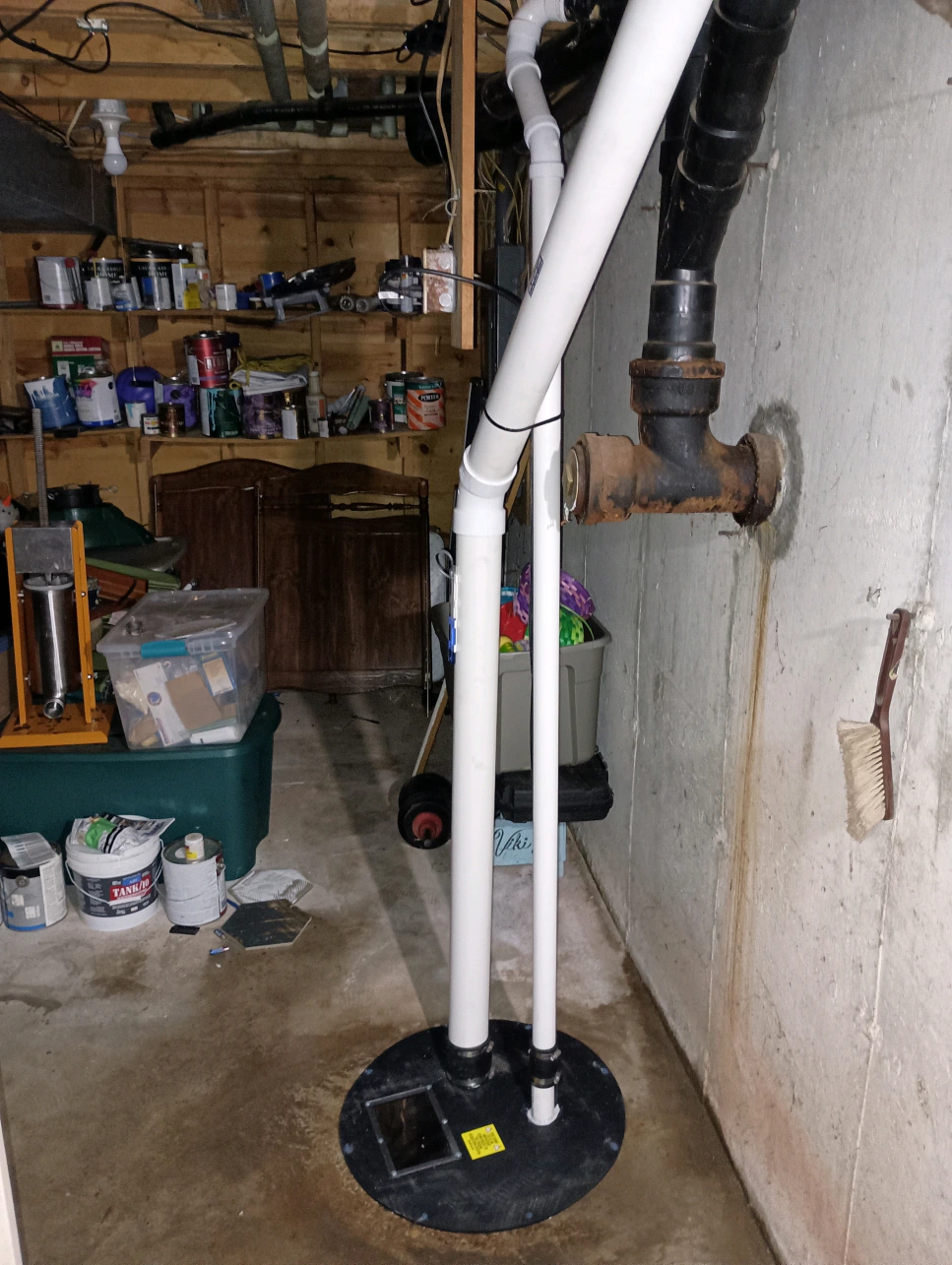
Installing a proper mitigation system can significantly reduce radon in the home, improving indoor air quality and creating a safer living environment. Homeowners should also consider periodic testing to ensure radon levels remain low over time.
Taking these steps not only protects your family’s health but also adds peace of mind and value to your home. Don’t wait until it’s too late, schedule a radon testing home inspection today to safeguard your household.
Radon enters through cold joints, cracks, drains, and holes in your floor and walls. Radon is a radioactive gas that forms naturally when uranium, thorium, or radium, which are radioactive metals, break down in rocks, soil, and groundwater.